
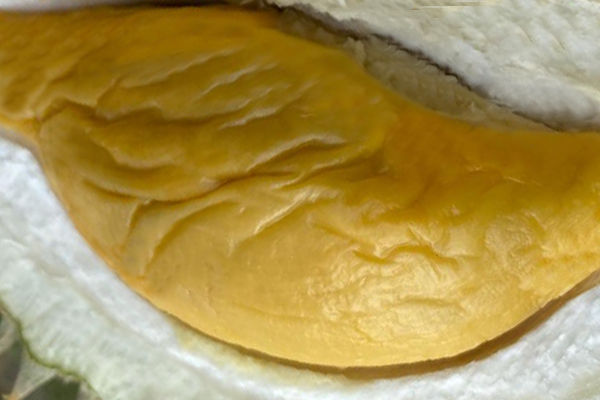
Lipan Bara (Yah Kang Ang Bak)
Sweet with mild bitterness, coconut and milk chocolate notes, slight numbing sensation Smooth, sticky, mousse-like Low PopularityLipan Bara is the red-fleshed variant of the famous Penang Lipan (Centipede) durian. Known in Hokkien as Yah Kang Ang Bak (蜈公红肉), it is an unregistered heritage cultivar from Balik Pulau with deeper, more reddish flesh than its white counterpart. Its unique sweetness makes it a prized 'appetite opener' among durian enthusiasts, though its extremely short harvest window of just 10-14 days makes it elusive.
Price Range
RM35 - RM55 per kg
Season
May (early season)
Taste
Sweet with mild bitterness, coconut and milk chocolate notes, slight numbing sensation
Aroma
Moderate, Nescafé-like
Where to Find
Balik Pulau, Penang
Flavor Profile
Characteristics
Personal Comment for Lipan Bara (Yah Kang Ang Bak)
Community Ratings
Avg. Metrics
Write a Review
Community Reviews (2)
Highly recommended!
Happy with this variety
Inspect the Durian and Confirm Prices
Always begin by examining the displayed durians. If many appear subpar, be more caution and it's wise to look elsewhere.
Durian prices are highly variable, much like currency exchange rates. What you paid previously, even recently, might not apply today or tomorrow. Therefore, always confirm the price, even if a tag is visible, to avoid surprises after packing (e.g., being told the displayed price was for a different durian).
And given the highly personal nature of taste – everyone experiences flavors like sweetness and bitterness uniquely – it's best to trust your own palate by requesting a tasting from the seller.
Search Other Durian Varieties
Similar Varieties You Might Enjoy:
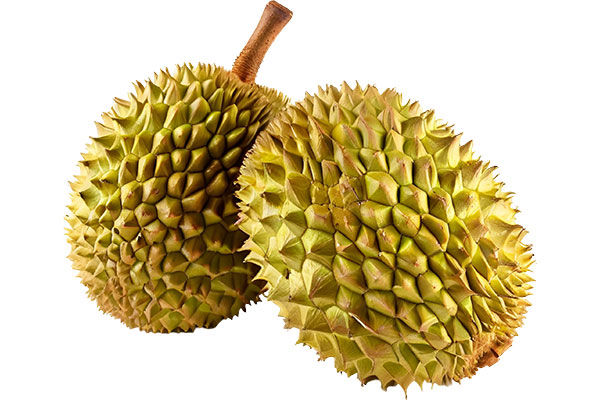
Gold Fish (Kim Hu / Ikan Mas)
Gold Fish, locally known as Kim Hu or Ikan Mas, is a popular mid-to-late season Penang durian. Known for their relatively large size which can exceed 3kg, these durians feature striking bright yellow flesh that is satisfyingly thick and soft, offering a sweet taste paired with a pleasant mild bitterness.
Learn More
Yi Dian Hong (A Little Red / A Drop of Red)
Yi Dian Hong translates to A Little Red / A Drop of Red, named for the characteristic reddish speck or tone often found near the bottom of the husk. This prized Penang clone yields pale yellow flesh that is famously smooth, creamy, and complex, delivering a strong punch of bitter-sweetness.
Learn More
D600
D600 is an early season durian heavily associated with Penang. It is actually a seedling grown from the famous Khun Poh Ang Bak cultivar. It boasts an intense rich yellow flesh that is incredibly sweet and creamy with a characteristic hint of sourness, making it a fantastic starter durian for the season.
Learn More
Lipan Bara — known in Hokkien as Yah Kang Ang Bak (蜈公红肉), literally "Red Flesh Centipede" — is the rarer, red-fleshed variant of Penang's beloved Lipan (Centipede) durian. While its white-fleshed sibling, Lipan Putih, gets more of the spotlight, Lipan Bara has quietly earned a devoted following among seasoned durian hunters in Balik Pulau who appreciate its deeper colour and bolder character.
The Legend Behind the Name
The Lipan durian's name has nothing to do with the fruit's appearance. Legend has it that the original mother tree grew near Sungai Ara, close to the famous Snake Temple in Penang. Centipedes (lipan in Malay, yah kang / wu gong 蜈公 in Chinese) were frequently found gathering beneath this tree, and the name stuck. The mother tree has since died, but grafted descendants carry on its legacy across Balik Pulau's orchards.
"Bara" means ember or fire in Malay, referring to the reddish hue of the flesh — hence Lipan Bara (Fire Centipede), or Ang Bak (红肉, red flesh) in Hokkien. This is an unregistered variety with no official D-number, making it a true kampung heritage durian.
How to Spot a Lipan Bara
Externally, Lipan Bara looks very similar to regular Lipan. The fruit is oval and elongated, sometimes described as "slim" in durian jargon, and generally small to medium in size. The husk is a yellowish-green, and the thorns are the giveaway — they curve and point in all directions, with many hooked spikes.
Inside: The Red Flesh
This is where Lipan Bara distinguishes itself from its white sibling. Crack one open and you'll find flesh ranging from deep golden yellow to reddish-orange, noticeably darker than the ivory-to-pale-yellow pulp of Lipan Putih. The deeper the colour, the more intense the sweetness tends to be.
The flesh is smooth and sticky, with a mousse-like texture that practically melts on the tongue. The thin fibre gives it an almost pastry-like quality. However, seed sizes can be highly inconsistent — you might get small, flat seeds reminiscent of Musang King, or frustratingly large ones.
Flavour Profile: The Appetite Opener
Lipan durians have long been celebrated as a "pembuka selera" — an appetite opener. Lipan Bara takes this reputation further with its bolder flavour. The taste opens with distinct sweetness, more pronounced than the white variant. Underneath lies a mild bitterness and a characteristic slight numbing sensation on the tongue. Flavour notes of coconut fused with milk chocolate are commonly reported, alongside a coffee-like aromatic quality.
The flesh is fine-textured, sweet, sticky, and leaves a lingering aftertaste that genuinely makes you want more. This is a durian best savoured slowly — place it on your tongue, let it dissolve, and allow the complex sweetness to unfold.
When and Where to Find It
Lipan Bara is one of the earliest durians to harvest each season, typically appearing in May alongside D604. The entire harvest window is brutally short — all fruits drop within 10 to 14 days. Quality is best at early to mid-harvest; late-harvest fruits tend to show diminished flavour.
Lipan Bara rarely leaves Penang. Local demand in Balik Pulau absorbs most of the supply. Your best bet is to visit the stalls and orchards of Balik Pulau during early season, ask specifically for Lipan Bara or Yah Kang Ang Bak, and hope that luck is on your side. When you find it — buy generously.