
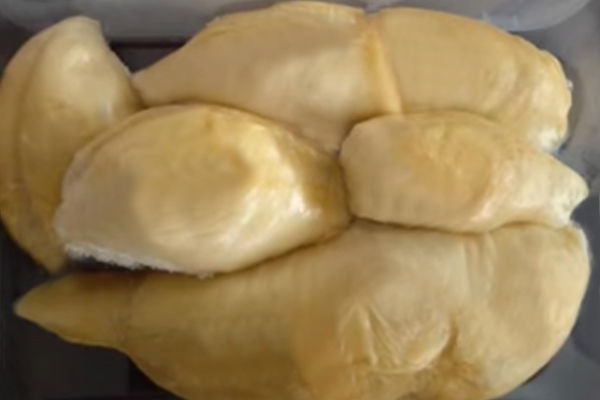
D90 Awang
Creamy sweetness with a subtle bitter finish and light buttery notes Smooth, moderately firm Low PopularityD90 Awang is a registered MARDI clone from Melaka, named after one of the original cultivating families in the region. It is one of the quieter gems of the Malaysian durian registry — less publicised than its Penang or Pahang cousins, but appreciated by locals for its approachable sweet-creamy profile and its reliable yield. The pale, cream-coloured flesh delivers a gentle sweetness with only a mild bitter finish, making it a friendly introduction to Melaka-grown durians.
Price Range
RM20 - RM40 per kg
Season
June - August
Taste
Creamy sweetness with a subtle bitter finish and light buttery notes
Aroma
Gentle, mild
Where to Find
Melaka, occasional finds in southern Peninsular Malaysia markets
Flavor Profile
Characteristics
Personal Comment for D90 Awang
Community Ratings
Avg. Metrics
Write a Review
Community Reviews (5)
Passable for the price

Agak biasa tapi okay
Room for improvement
Fair enough

Pretty impressed
Inspect the Durian and Confirm Prices
Always begin by examining the displayed durians. If many appear subpar, be more caution and it's wise to look elsewhere.
Durian prices are highly variable, much like currency exchange rates. What you paid previously, even recently, might not apply today or tomorrow. Therefore, always confirm the price, even if a tag is visible, to avoid surprises after packing (e.g., being told the displayed price was for a different durian).
And given the highly personal nature of taste – everyone experiences flavors like sweetness and bitterness uniquely – it's best to trust your own palate by requesting a tasting from the seller.
Search Other Durian Varieties
Similar Varieties You Might Enjoy:
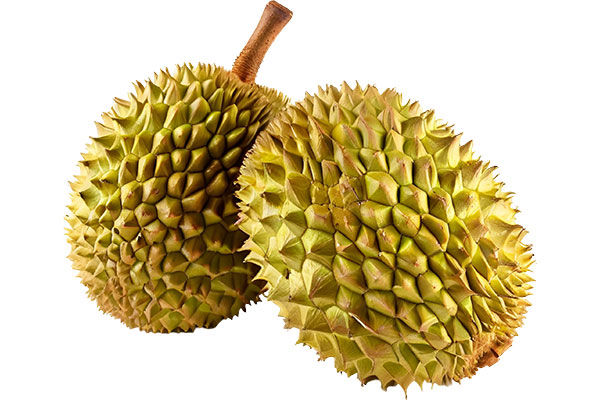
Gold Fish (Kim Hu / Ikan Mas)
Gold Fish, locally known as Kim Hu or Ikan Mas, is a popular mid-to-late season Penang durian. Known for their relatively large size which can exceed 3kg, these durians feature striking bright yellow flesh that is satisfyingly thick and soft, offering a sweet taste paired with a pleasant mild bitterness.
Learn More
Yi Dian Hong (A Little Red / A Drop of Red)
Yi Dian Hong translates to A Little Red / A Drop of Red, named for the characteristic reddish speck or tone often found near the bottom of the husk. This prized Penang clone yields pale yellow flesh that is famously smooth, creamy, and complex, delivering a strong punch of bitter-sweetness.
Learn More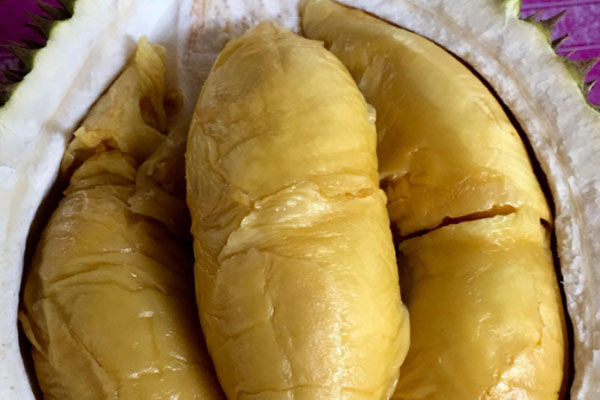
D103 Mong Zong Qing Ren (Bangkok Tree 28)
Durian D103, often referred to as 101 durian, is a popular, affordable, and flavorful durian cultivar. It's widely available in local markets in Malaysia and is considered a good everyday durian, often a budget-friendly alternative to Specialty Produce's Mao Shan Wang. Affordable yet flavorful durian.
Learn More
D90 Awang is a registered MARDI clone originating from Melaka, bearing the name of the cultivating family who first brought this variety into the official register. While it quietly flies under the radar compared to the celebrated Penang and Pahang clones, Awang holds genuine appeal for those who appreciate a well-mannered, sweet-leaning durian without the extremes of bitterness or strong fermentation.
Appearance and Structure
The fruit is typically medium-sized with a moderately firm husk. The flesh presents as pale yellow to cream-coloured, soft and smooth in texture with a consistent yield across its lobes. Awang rarely demands work from the eater — it is the kind of durian that opens cleanly and delivers its character in a straightforward, generous way.
Taste Profile
The primary impression is one of clean, creamy sweetness built on a soft base. There is a gentle bittersweet finish that keeps it from tasting one-dimensional, and a faint buttery undertone that adds a quiet richness to the experience. This is not a challenging durian in any sense — it is one of those varieties that earns loyalty through consistency and quiet charm rather than drama.
Its mild aroma will not overwhelm a room, making it a practical choice for those who enjoy the fruit in shared or indoor settings.
Context and Availability
As a Melaka-registered variety, D90 Awang reflects the terroir of the state's inland orchards — reliable, warm-climate fruit that speaks more to traditional value than trendy prestige. It surfaces occasionally in southern Peninsular Malaysia markets outside of Melaka itself, but most of its audience remains local. Enthusiasts interested in exploring varieties beyond the big Penang names will find Awang a worthwhile stop on that journey.