
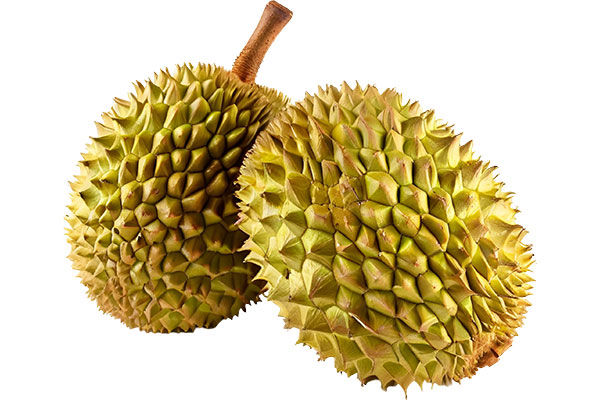
Chai Pao (菜包 / Vegetable Bun)
Gentle sweetness balanced by a clean, mild bittersweet edge — understated and refined, prized by heritage connoisseurs Soft, slightly moist, light-bodied Low PopularityChai Pao (菜包) takes its name from the Hokkien term for a vegetable-filled steamed bun, a reference to the pale, softly hued flesh that visually echoes the bun's white doughy interior. This heritage cultivar from Penang's Balik Pulau orchards is known for its light, slightly moist flesh and a gently bittersweet flavour profile that sits far from the intense end of the spectrum. It is a quiet, understated variety — not flashy in colour or aroma — but favoured by veteran durian eaters who appreciate its delicate complexity and clean, balanced finish.
Price Range
RM15 - RM30 per kg
Season
June - August
Taste
Gentle sweetness balanced by a clean, mild bittersweet edge — understated and refined, prized by heritage connoisseurs
Aroma
Mild to moderate, approachable
Where to Find
Old-growth orchards in Balik Pulau, Penang
Flavor Profile
Characteristics
Personal Comment for Chai Pao (菜包 / Vegetable Bun)
Community Ratings
Avg. Metrics
Write a Review
Community Reviews (3)
Okay only lah
Kaw-kaw rasa dia!
Highly recommended!
Inspect the Durian and Confirm Prices
Always begin by examining the displayed durians. If many appear subpar, be more caution and it's wise to look elsewhere.
Durian prices are highly variable, much like currency exchange rates. What you paid previously, even recently, might not apply today or tomorrow. Therefore, always confirm the price, even if a tag is visible, to avoid surprises after packing (e.g., being told the displayed price was for a different durian).
And given the highly personal nature of taste – everyone experiences flavors like sweetness and bitterness uniquely – it's best to trust your own palate by requesting a tasting from the seller.
Search Other Durian Varieties
Similar Varieties You Might Enjoy:
Gold Fish (Kim Hu / Ikan Mas)
Gold Fish, locally known as Kim Hu or Ikan Mas, is a popular mid-to-late season Penang durian. Known for their relatively large size which can exceed 3kg, these durians feature striking bright yellow flesh that is satisfyingly thick and soft, offering a sweet taste paired with a pleasant mild bitterness.
Learn More
D139 Senggarang 4
The D139 Senggarang's combination of sweetness, richness, and creamy texture makes it a sought-after choice for durian enthusiasts, often enjoyed fresh or used in desserts and other culinary creations. Its strong aroma enhances its appeal for those who appreciate the full sensory experience that durians offer.
Learn More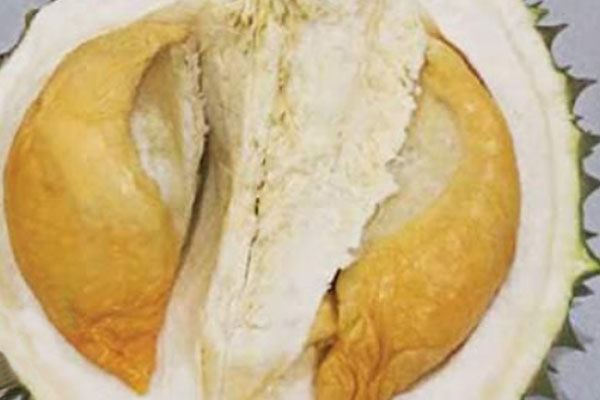
D188 Sunset
The D188 Sunset durian is more than just a fruit; it's a piece of Malaysia's history and culture. Its great taste and pretty look make it a wonderful treat for anyone who loves durian. It brings back good memories while you enjoy one of Malaysia's best fruits. If you like durian or want to try new foods, finding the D188 Sunset durian when it's ripe is a great idea!
Learn More
Chai Pao (菜包) is a Penang heritage durian whose Hokkien name translates as 'vegetable bun' — the pale, cream-coloured flesh is said to recall the soft white interior of a traditional chive or vegetable-stuffed steamed bun. Found in old-growth orchards across Balik Pulau, it is among the more understated entries in the Penang durian catalogue: subtle in colour, mild in aroma, and gentle in flavour. Veteran enthusiasts value it precisely for this restraint, treating it as a palate-cleanser variety or a contemplative contrast to the more aggressively bitter clones of the same season.
Appearance and Structure
The fruit is small to medium in size with an ovoid to irregular shape, covered in moderately spaced, short to medium green-brown spikes. The husk is typically pale green to yellowish-green at full ripeness. When opened, the lobes are slender to medium-plump and yield pale cream to very light yellow flesh of uniform softness. Seeds are small to medium sized. The flesh texture is notably light and slightly moist — not the thick, custard-dense type associated with Musang King, but rather a gentler, more yielding consistency.
Taste Profile
Chai Pao is sometimes described as the durian equivalent of a delicate tea: it does not announce itself loudly, but rewards attentive tasting. Its restrained profile makes it accessible to less experienced eaters while still offering enough complexity to satisfy knowledgeable palates.
Context and Availability
As an unregistered heritage clone, Chai Pao is tied to specific old trees in Balik Pulau and is not commercially cultivated at scale. Supply depends entirely on the few remaining orchards that maintain mature trees, and the fruit is rarely if ever found outside Penang. The best time to seek it out is during the main June–August season, either through orchard visits or trusted farm-direct stalls in the Balik Pulau area. Because of its lower price point relative to premium clones, it is sometimes overlooked in favour of Red Prawn or Musang King — but those who seek it out often become quietly devoted to its understated elegance.